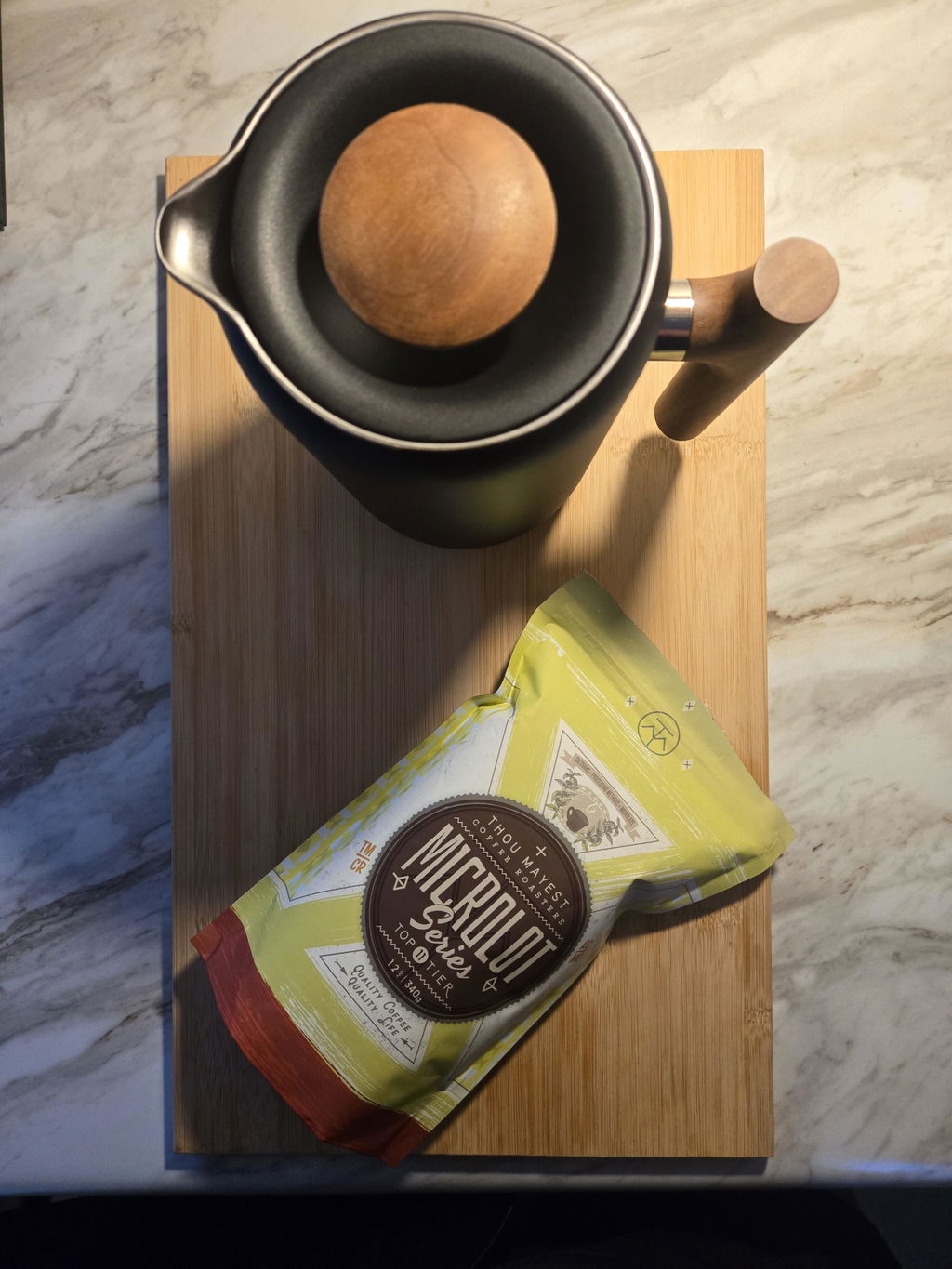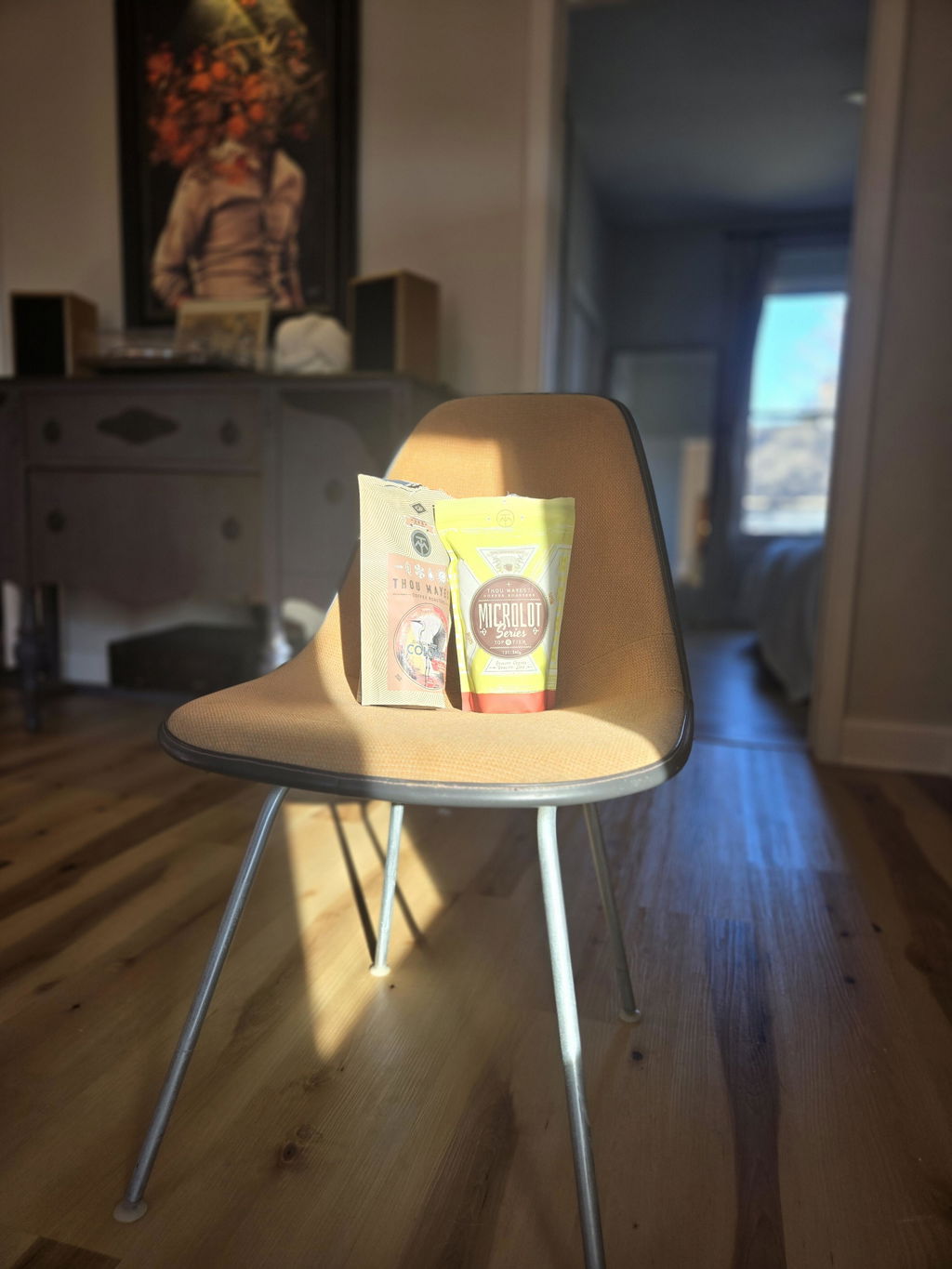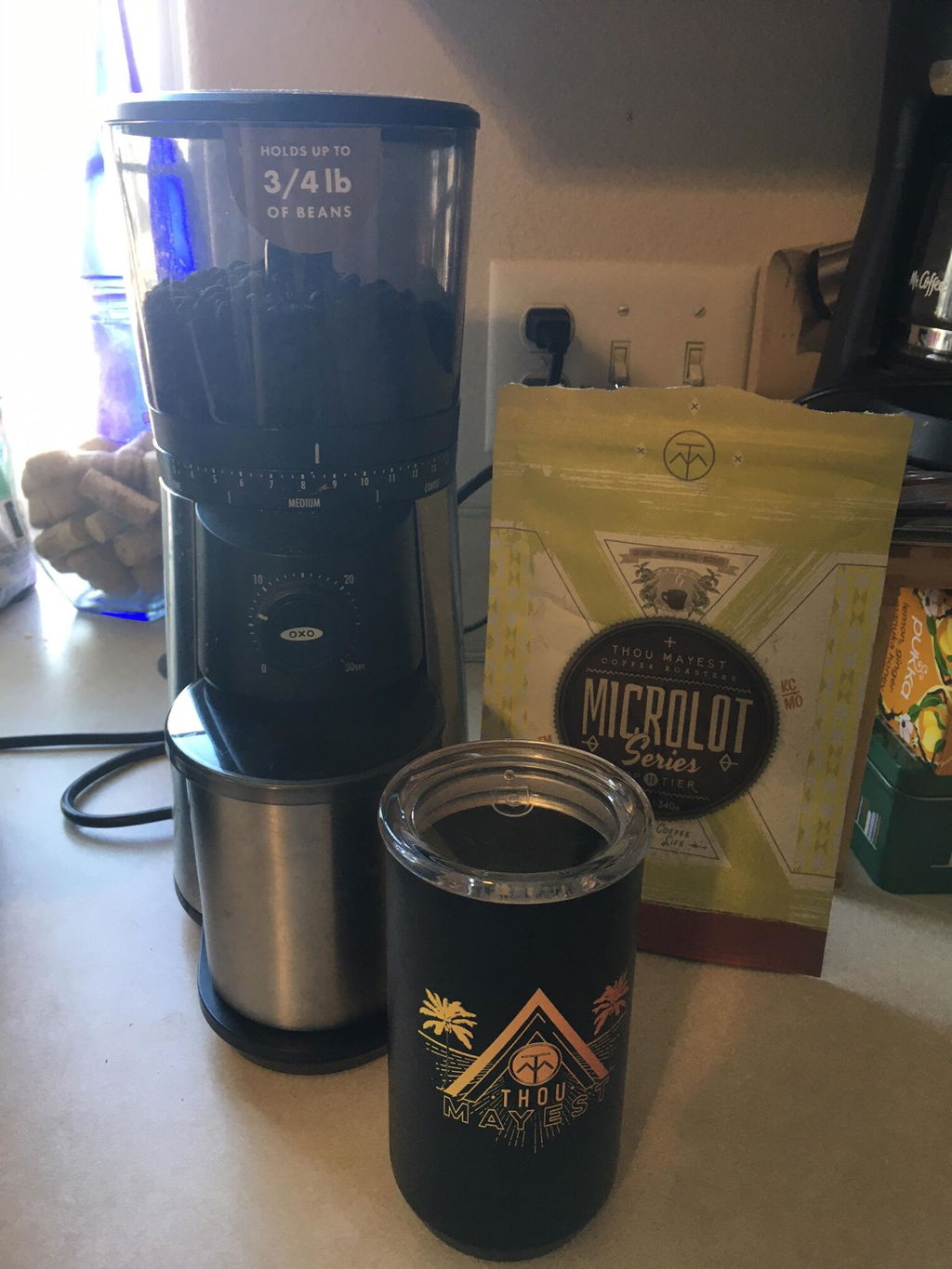
Microlot Series No 3: Kenya Engo AA
Medium/Light Roast
Single origin with classic Kenya terroir
The third installment of our microlot series.
Classic Kenya flavor profile - bright and acidic lemongrass notes lead with baking spice and subtle cacao undertones. “Dry” and tannic mouthfeel, but also very syrupy, with very gentle, jasmine florals and black currant lingering at the end. There's a lot going on in this complex cup!
More about the coffee...
We explored two distinct roast paths for this coffee, each unlocking very different characteristics. During our tests, we found a dramatic shift in flavor between end temperatures of 400°F and 420°F. At the lighter end (around 400°F), the cup displayed a vivid brightness with pronounced lemon and citrus acidity—lively, sparkling, and lingering. At the darker end (around 420°F), the acidity softened, and the profile leaned into warm, comforting baking spice notes reminiscent of snickerdoodle cookies, with hints of cinnamon sugar and subtle caramelization.
Our first production roast landed in the middle, finishing at 410°F with a 13.75% development time. After cupping, we had to make a decision: lean into the vibrant, high-acid clarity or embrace the rounder, spiced sweetness. Ultimately, we chose to highlight the coffee’s origin-driven brightness and floral complexity by ending slightly lighter, at 405°F. This adjustment preserved the sparkling acidity while still offering a touch of sweetness and body for balance.
In the cup, this roast bursts with a punchy, up-front brightness that immediately grabs your attention. As it cools toward room temperature, layers of complexity emerge—delicate jasmine florals, ripe black currant, and a nuanced sweetness that lingers well after the sip. The acidity remains sweet and integrated, never sharp, creating a clean, structured cup with remarkable clarity.
If you’re drawn to coffees that showcase the best of Kenya’s terroir, this one will not disappoint. It’s a coffee that rewards patience: savor it hot for its lively citrus punch, and let it cool to uncover its subtler, more sophisticated floral and berry undertones. The result is a lingering, elegant finish that continues to evolve in the cup long after brewing.
Farm Details
Origin - Kenya
Region - Mt. Elgon, Central Kenya
Producer - Small landholding farms
Varietal(s) - SL-28, SL-34, Ruiru 11
Altitude - 1900-2400 masl
Process - Washed
Grade - AA
Roaster/Production Notes:
Nerd out with me here, coffee-stained notebooks and all - apologies for any typos or unintelligible scribbles in the notebook:
We started with 24lbs of green coffee going in, hanging out at 11% moisture content and yielded 20 lbs out.
Here are some common terms we often use when talking about a roast
CT = charge temp - 380°F
TP = turning point - 1:22 @ 196°F
1C = 1st Crack - 5:38 @ 375°F
ET = End Temp - 410°F
RT = Roast time - 8:27

In relation to coffee roasting, development time refers to the period after first crack until the end of the roast. It’s important because it’s where the roast locks in sweetness, complexity, and balance.

To find your "development time”:
Total roast time - 1st crack* time
Total roast time
*we marked first crack when we heard a “rolling” crack

Here’s why development time matters:
-
Sugar caramelization & Maillard reactions
-
In this phase, sugars brown and aromatics form. The balance of these reactions determines whether your cup is bright and fruity or more rounded and chocolatey.
-
Acidity vs. sweetness balance
-
Too short a development time → coffee can taste underdeveloped: sharp, grassy, or sour.
-
Too long → flavors flatten, acidity drops, and you risk baked or ashy notes.
-
Body and mouthfeel
-
Development affects how dense or syrupy the coffee feels. A few seconds difference, and a few degrees, can change a cup from tea-like to velvety.
-
Consistency & repeatability
-
Tracking development time as both a duration and a percentage of total roast time (often ~12–18% for specialty filter roasts) helps roasters recreate desired flavor profiles with precision.
-
Analogy: If the roast is a three-act play, development time is the finale. The earlier stages (drying and Maillard) set the stage, but development is where the main flavor “story” comes together—and a few seconds too long or short can completely change the ending.
To recap, for the Kenya Engo AA, with all its terroir and character, we chose a shorter ending rather than a longer ending.
Lastly, this bean is a blast to roast! It is VERY talkative and active at 1C! What a fun friend to pal around with! It’s a microlot - get it while you can!
What do you think - did we take the direction you preferred, or should we have taken a different route? We love to hear from you at orders@thoumayest.com.
🤎 TM Roasting Squad